
Sights in Luang Prabang
Curated temples, museums, viewpoints, and landmarks.
Sights
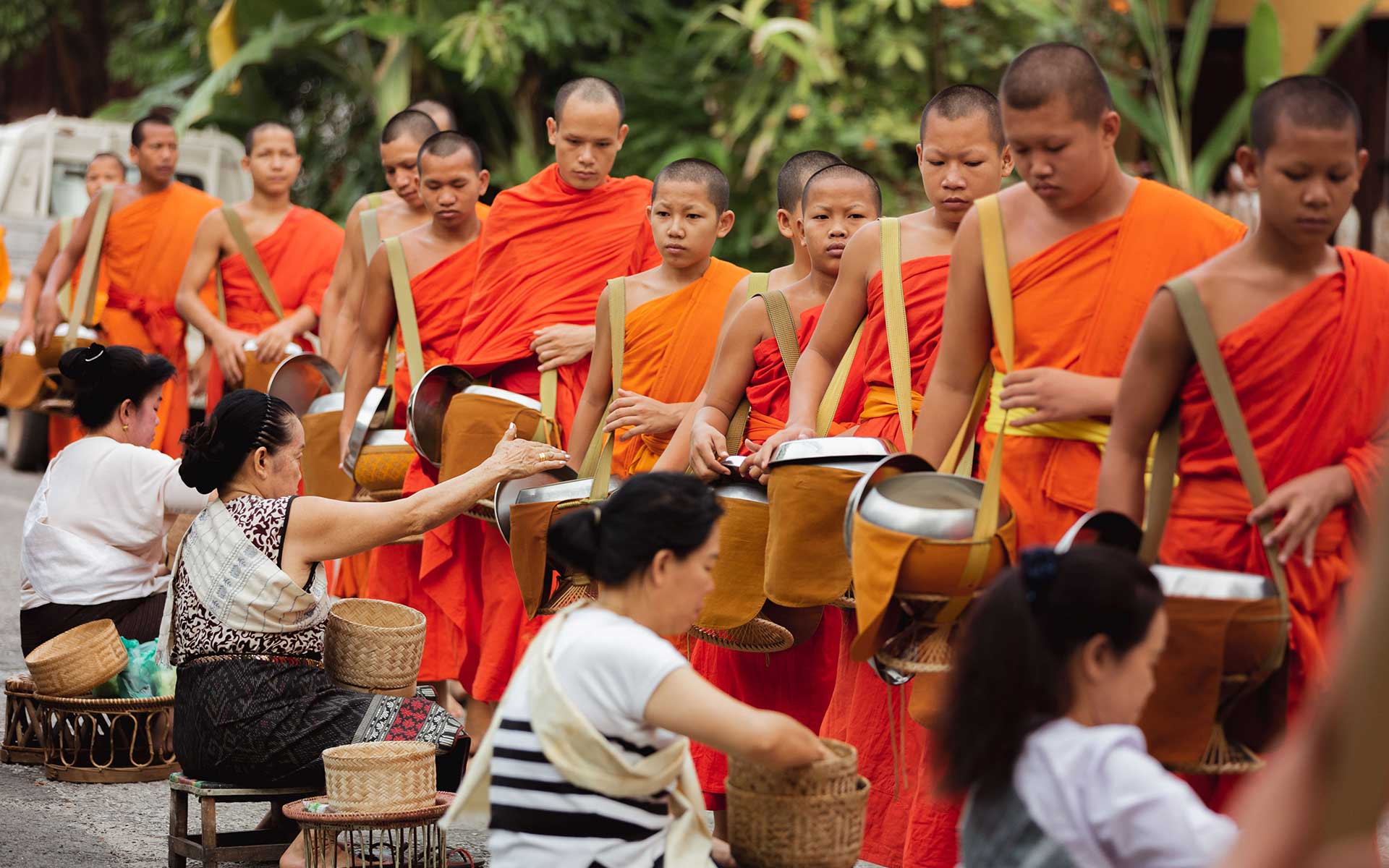
A sacred dawn ritual in Luang Prabang where Buddhist monks silently receive alms from locals, offering visitors a rare glimpse into daily spiritual life.
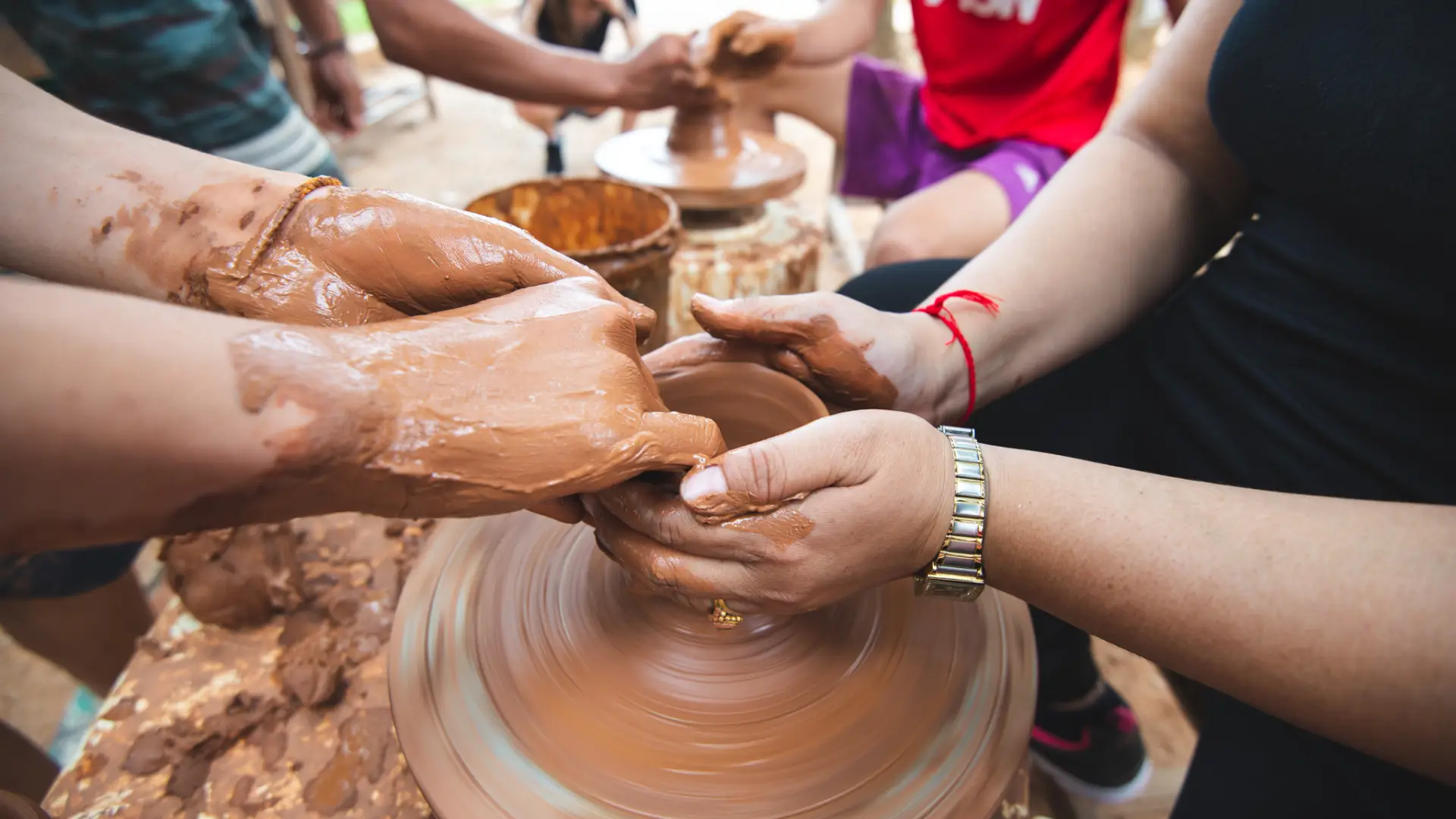
Ban Chan Pottery Village is a small, traditional village just outside Luang Prabang, known for its long-established pottery-making traditions. Visitors can see local artisans shaping clay by hand and firing ceramics using techniques passed down through generations.
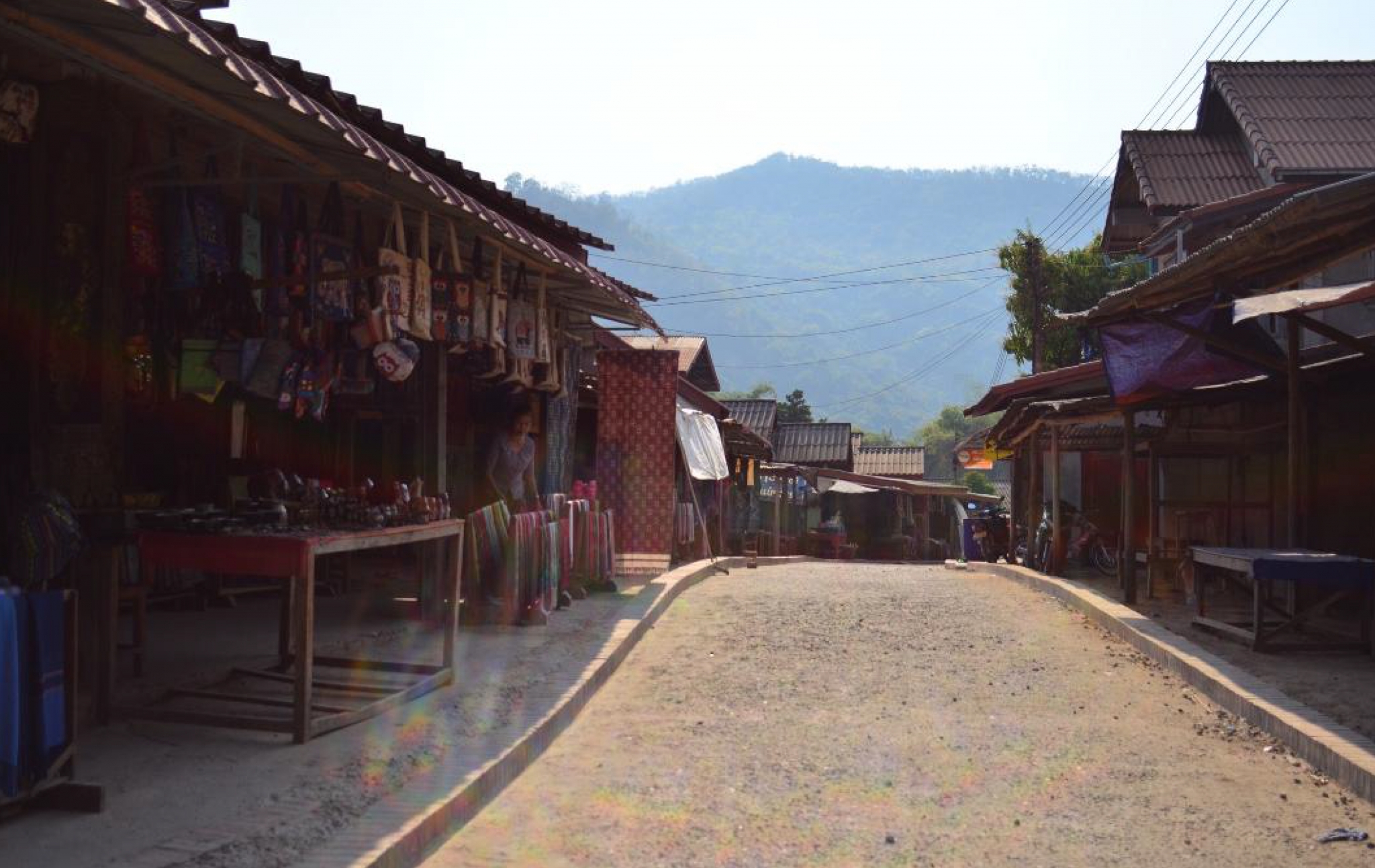
Ban XangHai, often called the Whiskey Village, is a small riverside community on the Mekong near Luang Prabang, best known for producing lao lao, Laos’ traditional rice whiskey. A short stop on many river journeys, it offers a glimpse into village life and centuries-old distilling traditions.
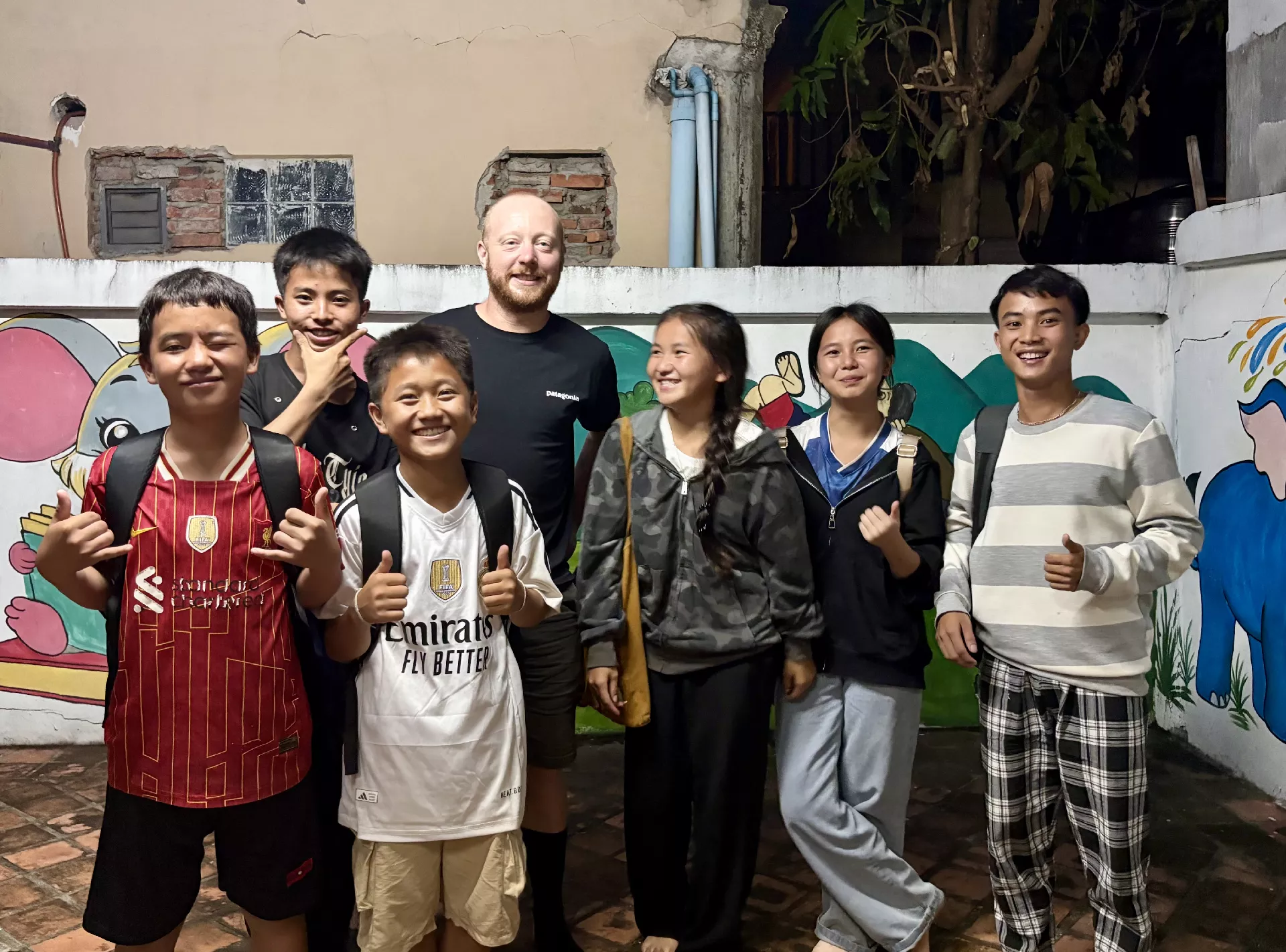
Big Brother Mouse is a unique literacy project in Luang Prabang that promotes reading and education among children and young adults across Laos. Visitors can drop in to donate books, buy low-cost Lao-language publications, or simply chat with local students eager to practice English.
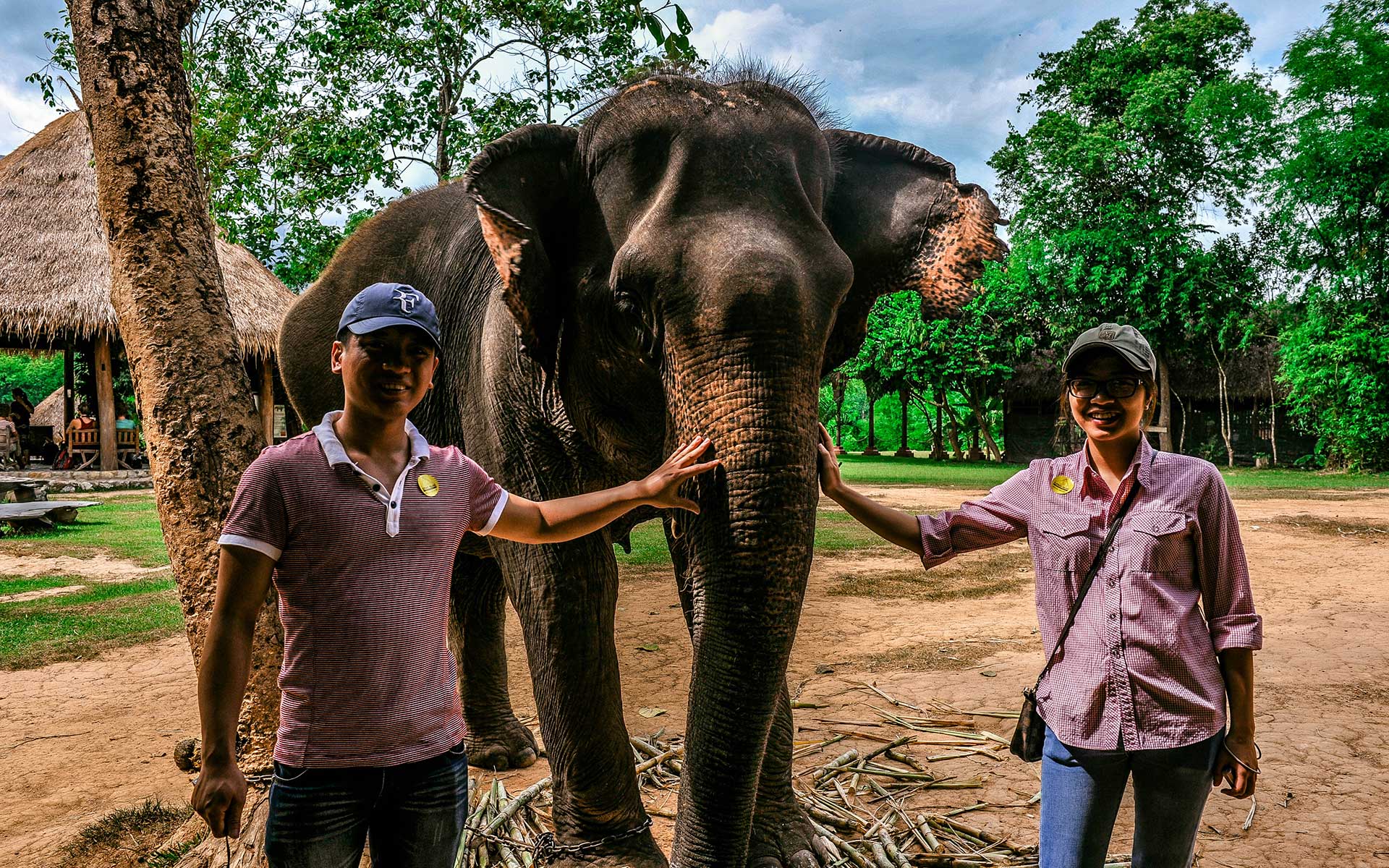
Elephant Village Laos is a well-known ethical elephant sanctuary near Luang Prabang that focuses on rescue, conservation, and education. Visitors can spend time observing and interacting with elephants in a responsible way, learning about their history in Laos and the efforts being made to protect them, rather than seeing them perform tricks or carry heavy loads.
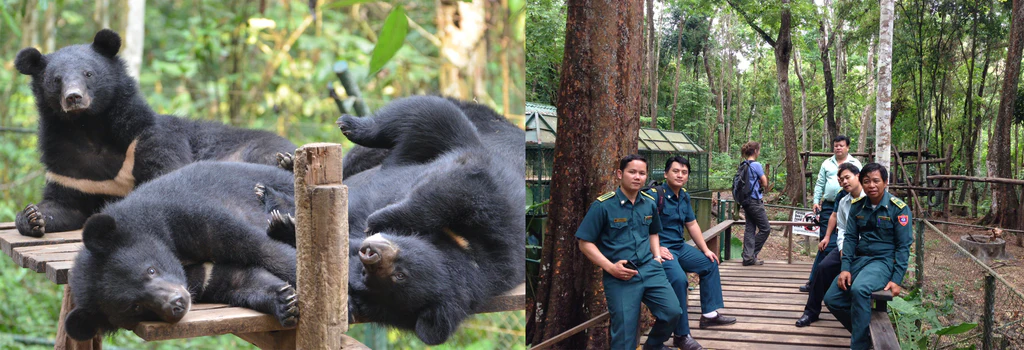
Visit the Free the Bears sanctuary included in the ticket price to the waterfalls to learn about rescued Asiatic black bears.
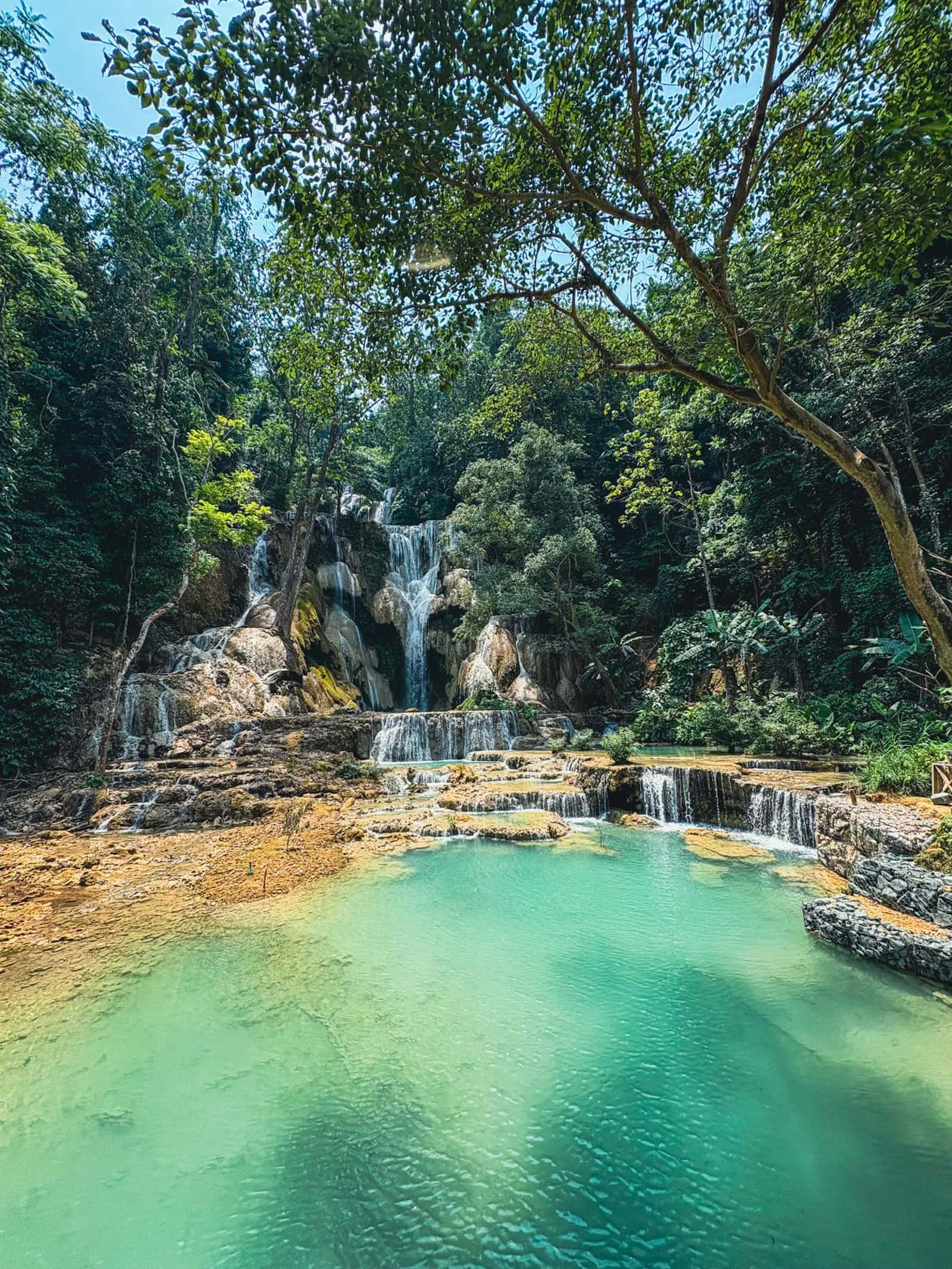
The most famous waterfall near Luang Prabang.
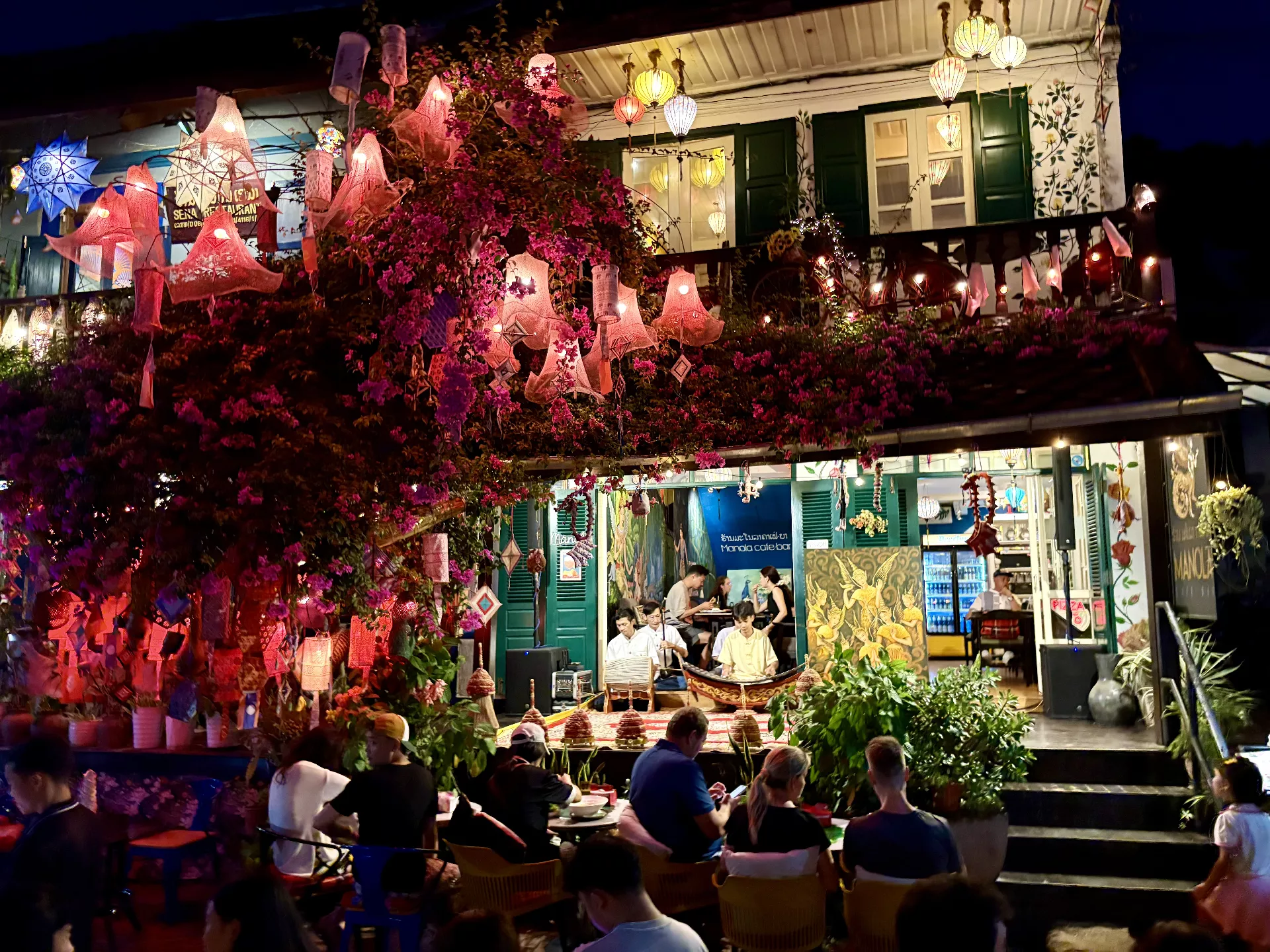
Luang Prabang Old Quarter is the historic heart of the city, known for its well-preserved French colonial architecture, Buddhist temples, and relaxed riverside atmosphere. A UNESCO World Heritage Site, it’s the best place to experience the cultural rhythm of Luang Prabang on foot.
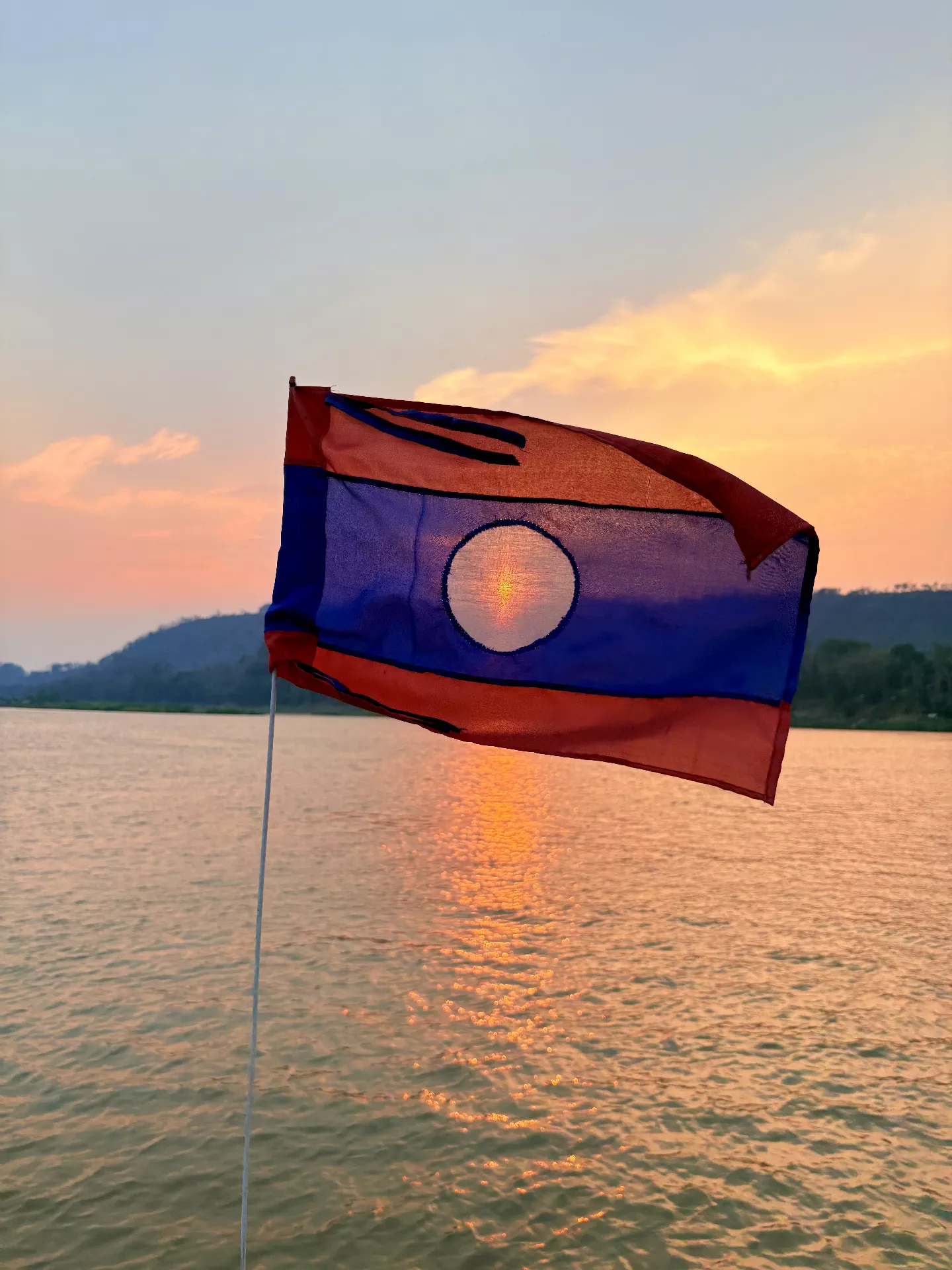
A Mekong River cruise is one of the most relaxed ways to experience Luang Prabang, offering views of riverside villages, temples, and daily life from the water. With many boats and routes available, it’s easy to choose a cruise that fits your time, budget, and interests.
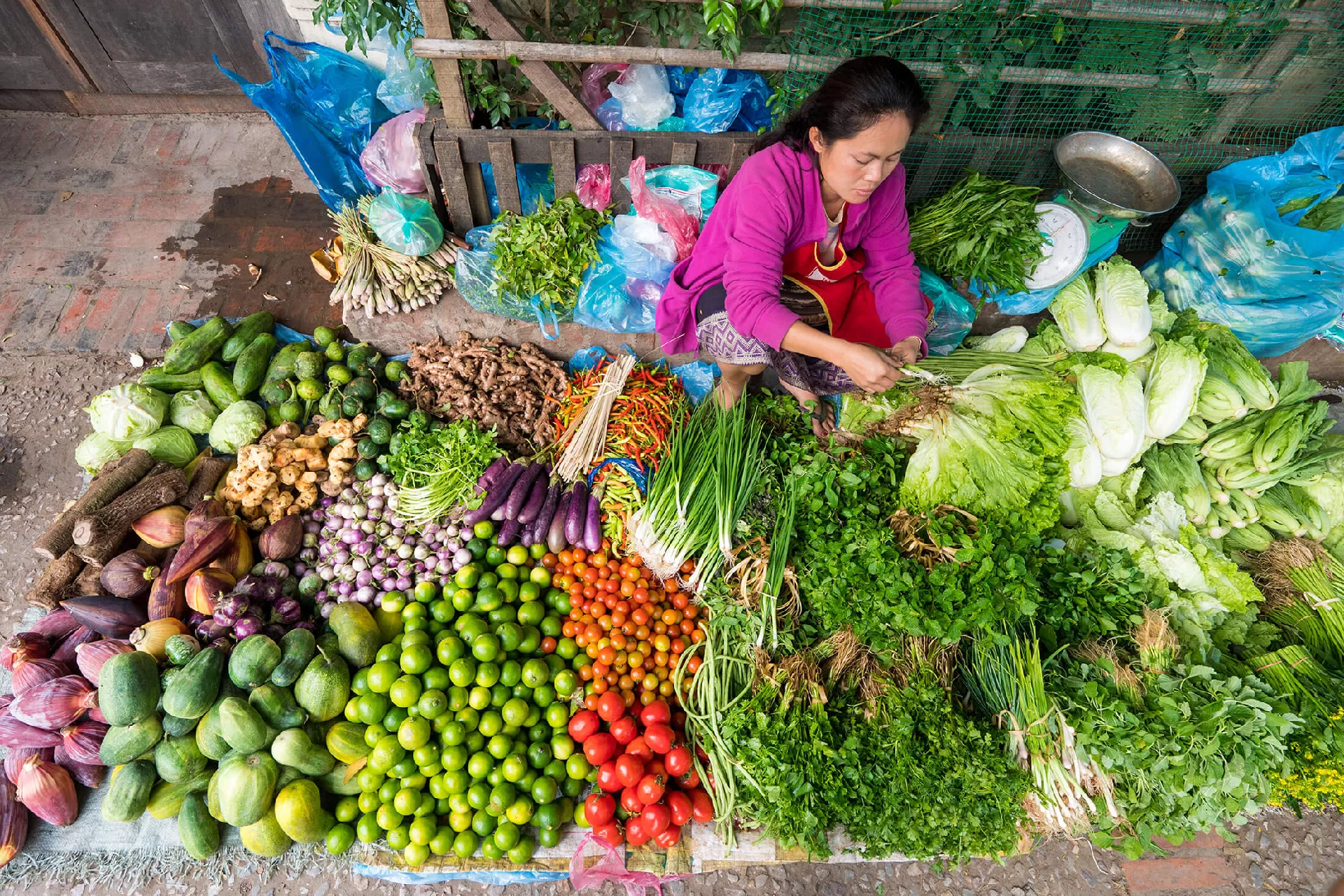
Luang Prabang Morning Market is a local, early-morning market where residents shop for fresh produce, meat, fish, herbs, and everyday ingredients. It offers an authentic glimpse into daily life and traditional Lao food culture before the city fully wakes up.
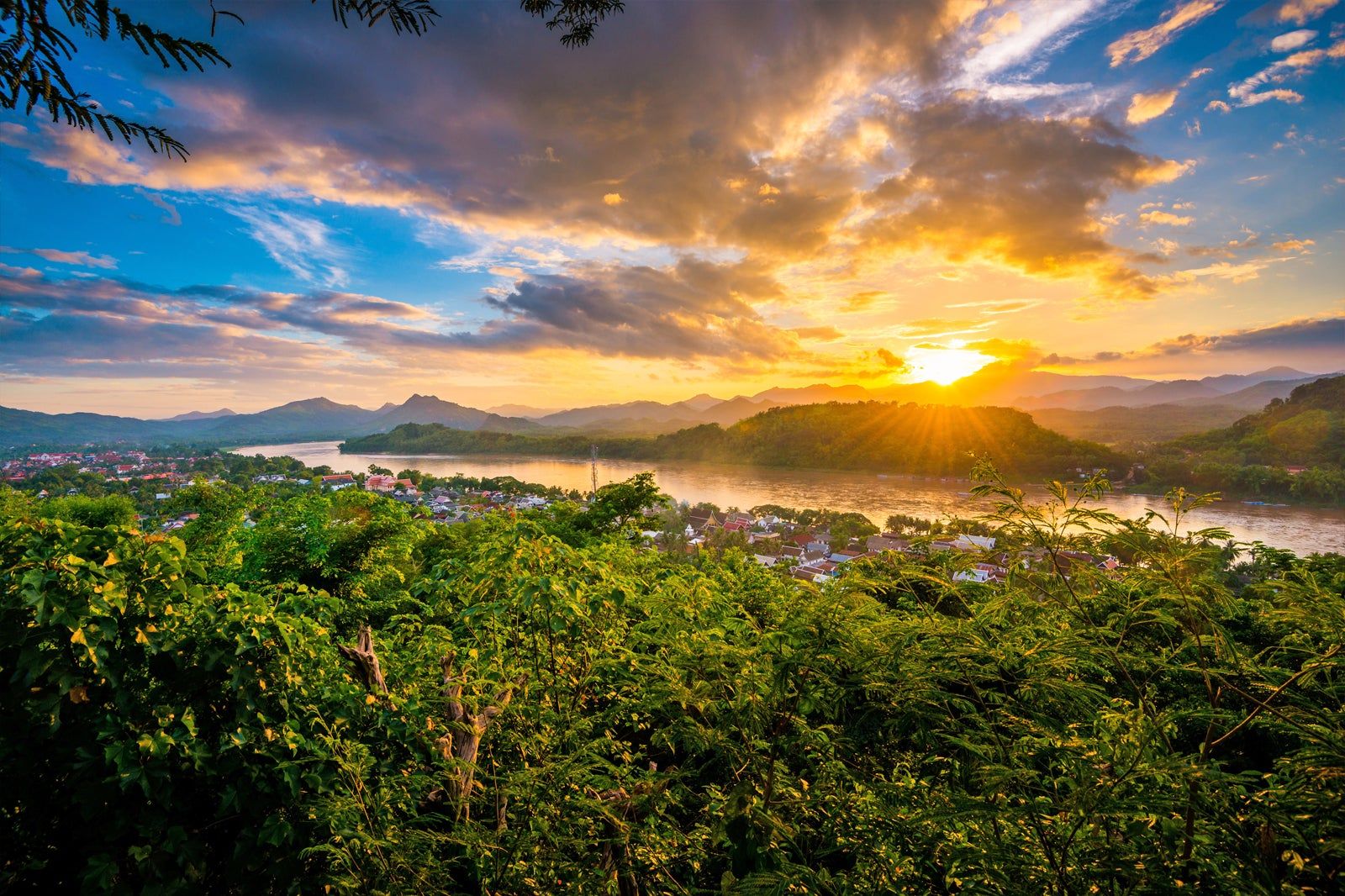
Mount Phousi, also known as Phou Si, is a small sacred hill in the centre of Luang Prabang, offering panoramic views over the Old Quarter, the Mekong and Nam Khan rivers. It’s one of the city’s most popular spots for sunset and a short, rewarding climb.
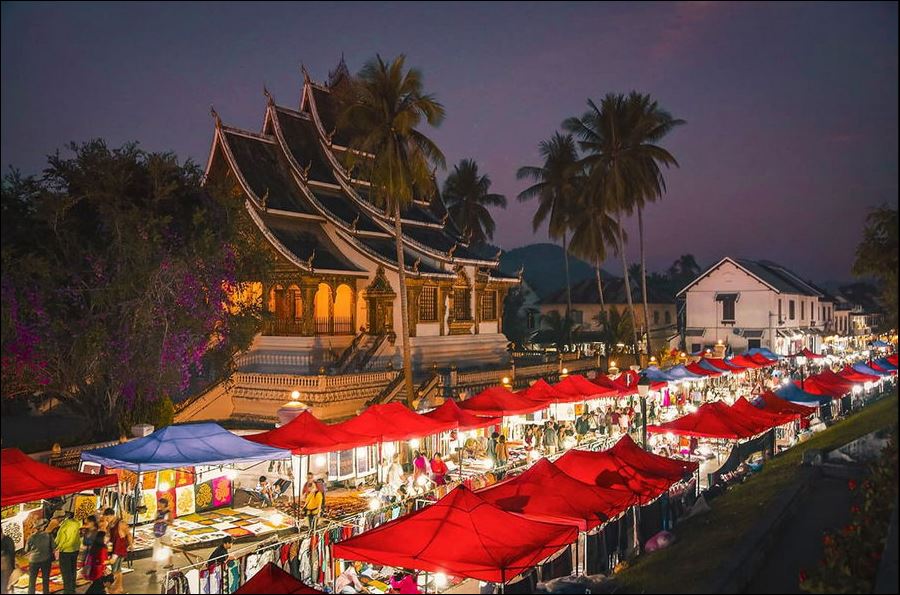
Luang Prabang Night Market is a lively evening market held daily along Sisavangvong Road, offering handicrafts, souvenirs, street food, and a relaxed local atmosphere. It’s one of the city’s most popular spots to browse, eat, and experience daily life after sunset.
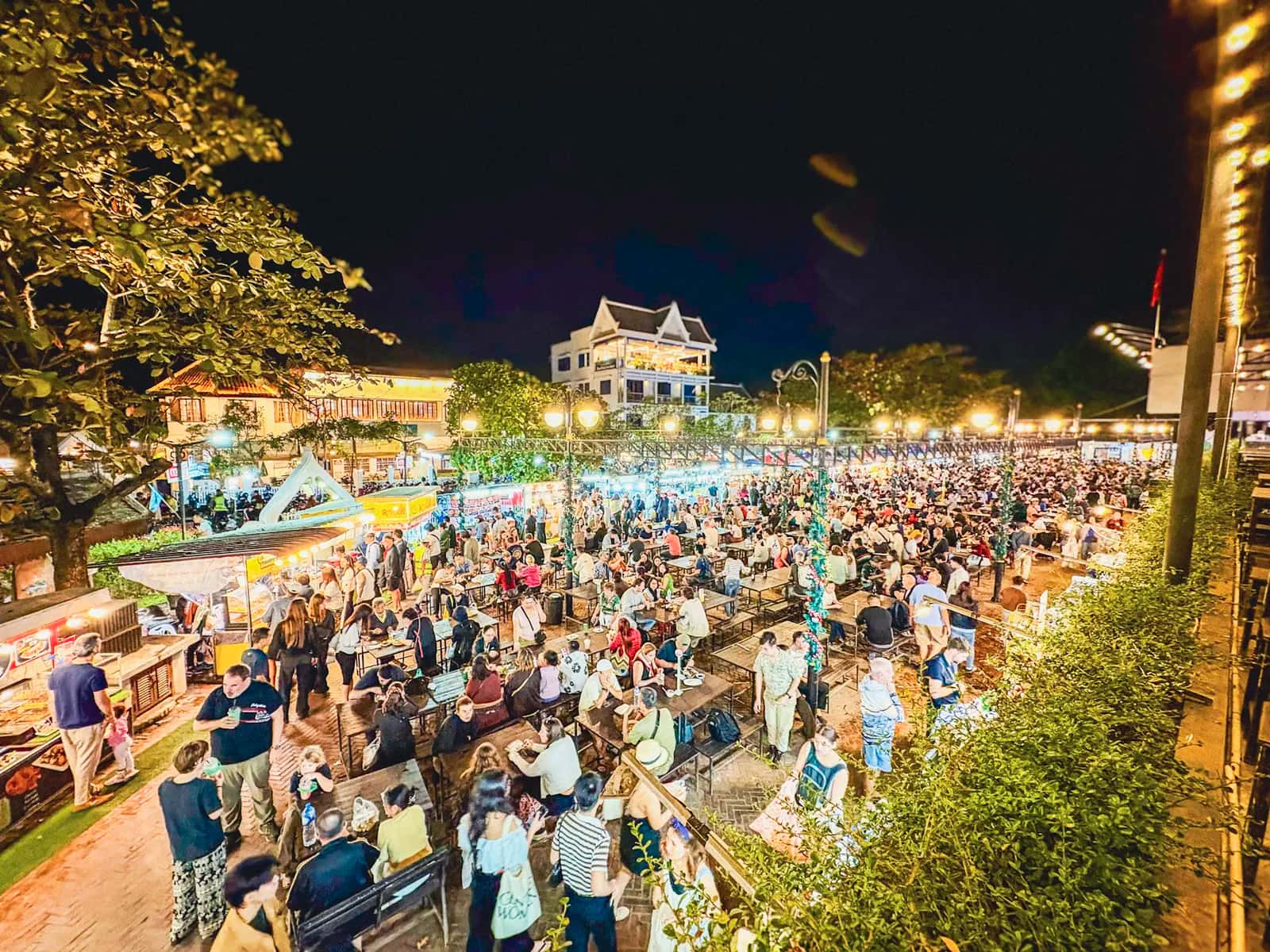
From noodles to burgers, the night market food quarter has something for everyone. A large central stage brings the area to life with performances by modern and traditional Lao bands and dancers.
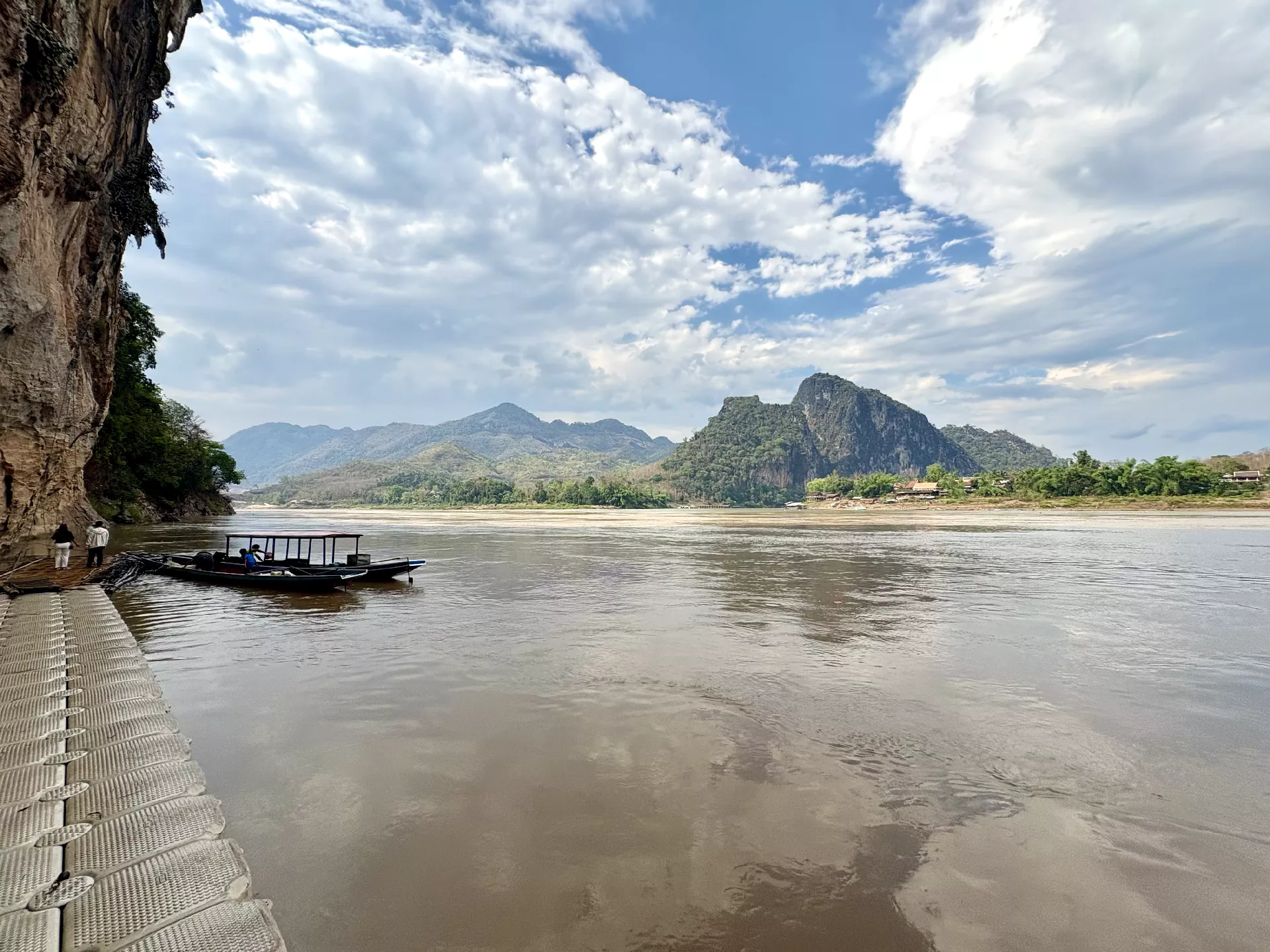
Pak Ou Caves are a sacred pair of limestone caves located along the Mekong River near Luang Prabang, famous for housing thousands of Buddha statues left by pilgrims over centuries. They are one of the region’s most significant religious sites and a popular cultural excursion, often reached by boat.
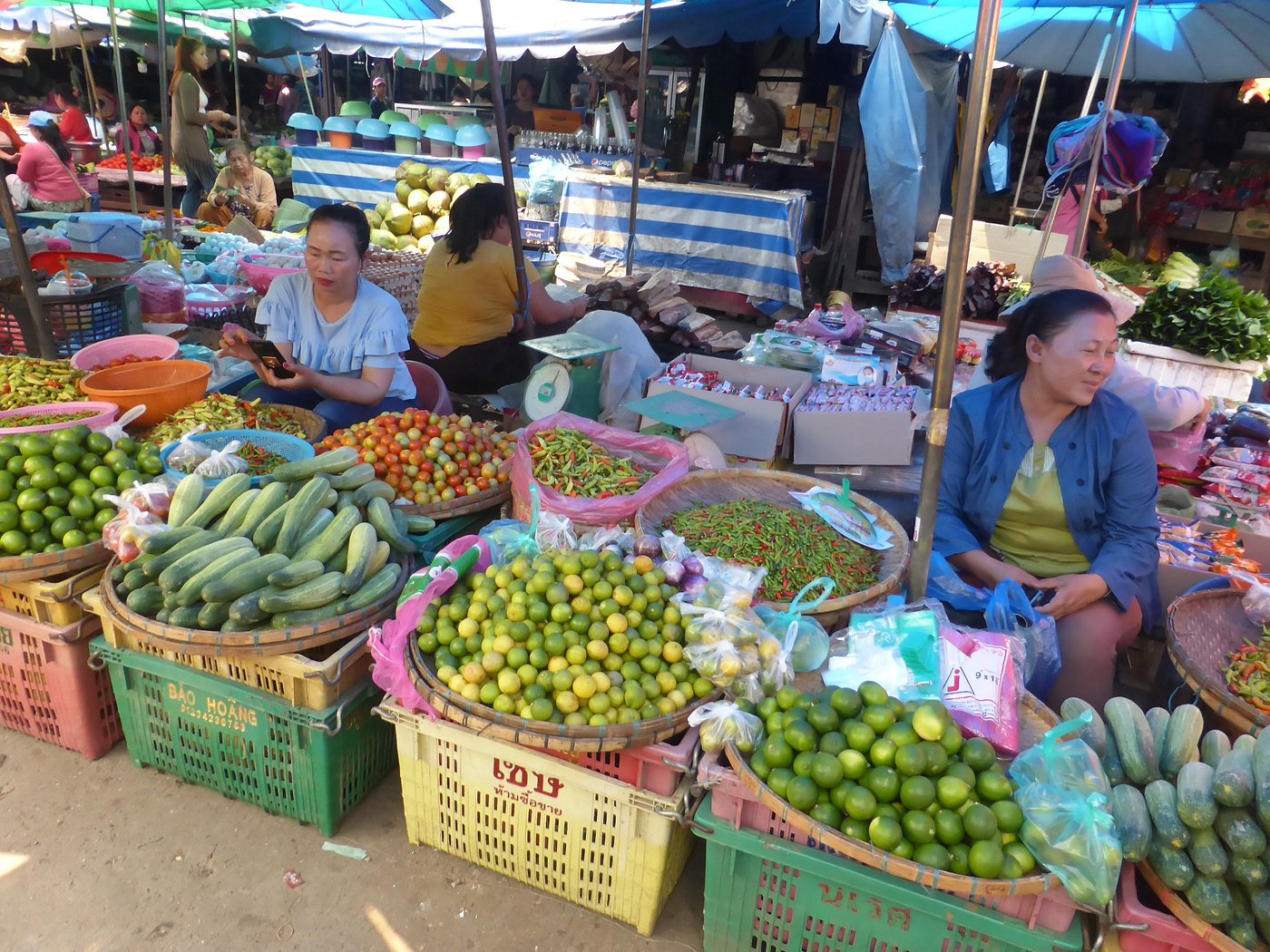
Phosy Market is a large, local day market in Luang Prabang that serves residents rather than tourists. It’s a practical, everyday market where locals shop for fresh food, household goods, clothing, and ready-to-eat meals.
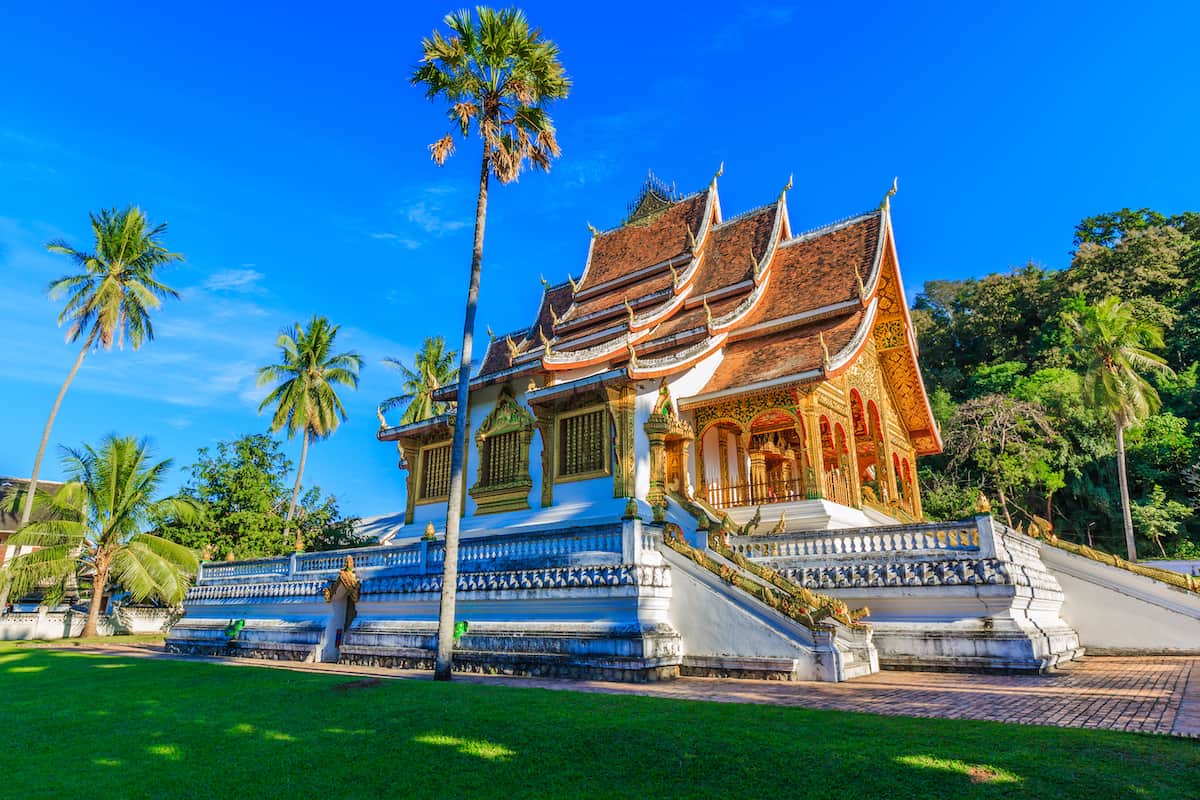
The Royal Palace Museum, also known as Haw Kham, is one of Luang Prabang’s most important cultural landmarks. Once the residence of the Lao royal family, it now serves as a museum showcasing royal history, religious artefacts, and national treasures.
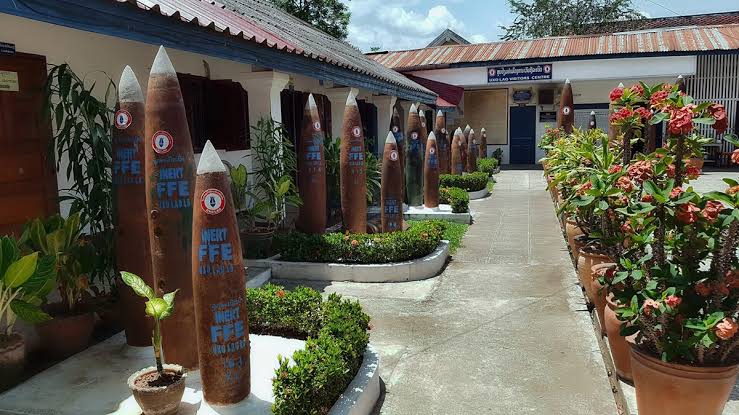
The UXO Visitors Centre in Luang Prabang offers a powerful and sobering insight into the lasting impact of unexploded ordnance left behind from the Indochina War. Through clear displays, photographs, and personal stories, the centre explains how unexploded bombs still affect daily life in Laos and highlights the ongoing work to make land safe for communities. It is an important, educational stop that adds real depth and context to a visit to Laos.